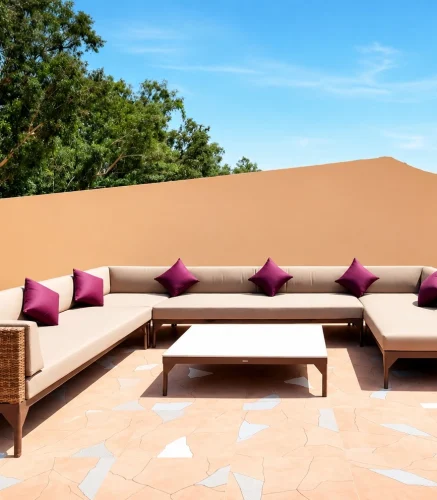
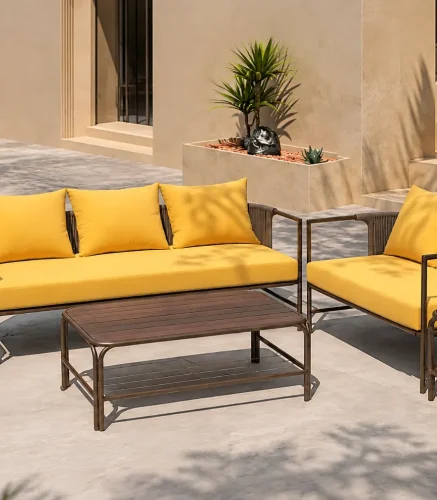
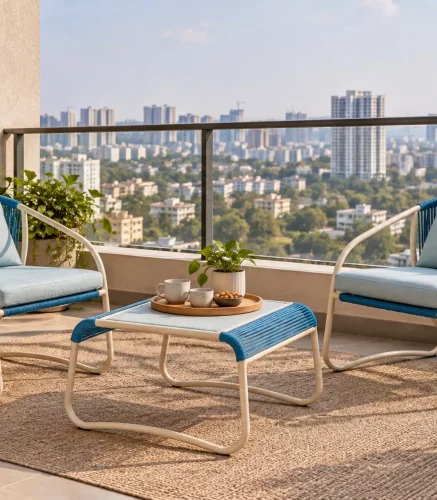
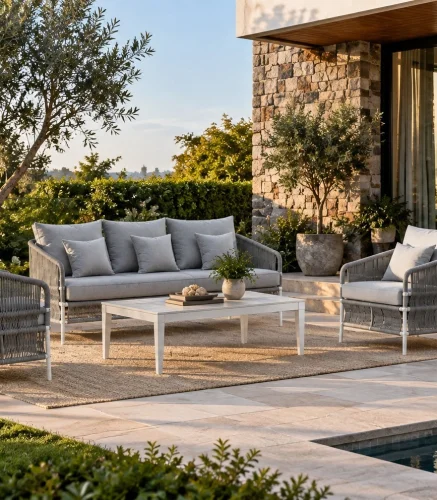
Biophilic outdoor design is the reason your patio can feel as restorative as a walk in the woods — and in 2026, more homeowners are designing their outdoor spaces around this principle. Nature runs deep in human instinct, and when your living space cuts you off from it, something feels off. Fortunately, bringing nature back into your patio doesn't require a complete overhaul.
Biophilic design is the answer to that. Moreover, in 2026, it has moved well beyond a trend. Instead, it has become the most intelligent way to think about any outdoor space — whether that's a sprawling garden, a terrace, or a compact outdoor furniture for balcony setup in the middle of a city.
Here's how to do it properly.
What Is Biophilic Outdoor Design and Why Does It Matter?
Let's clear this up first. Biophilic outdoor design doesn't mean surrounding yourself with plants and calling it done. Rather, it's a considered design approach that actively connects spaces that actively connect to the natural world — through materials, textures, light, sound, colour, and form
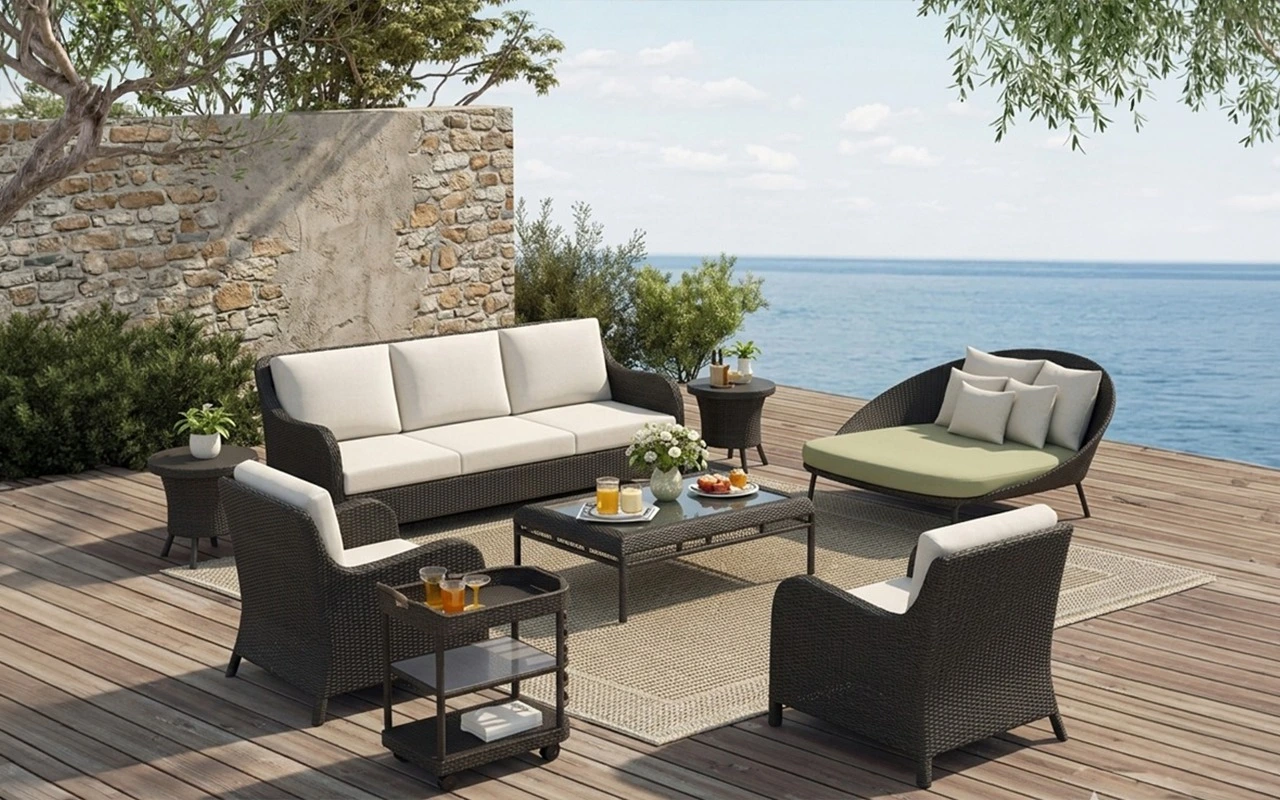
In practice, this means choosing an outdoor sofa with organic curves, nature-inspired furniture in earthy tones that belong to the landscape, and a layout where the line between your home and the outdoors genuinely blurs.
Done well, biophilic outdoor design doesn't just look better. Research consistently shows it reduces stress, improves focus, and makes people want to spend more time outside. That's a strong return on a single design decision.
Biophilic Outdoor Design Principles for Modern Patios and Balconies
Start with Ground-Level Materials
Before a single piece of garden furniture goes down, think about the floor. Natural stone, textured concrete, reclaimed wood decking — these set the biophilic tone immediately. The material underfoot tells your brain whether this space is connected to the earth or just floating above it.
Add Natural Texture to Elevated Spaces
In outdoor furniture Bangalore contexts specifically, where spaces often sit atop concrete buildings, layering natural textures at ground level does enormous psychological work. A jute rug, large-format stone tiles, or gravel pathways between planters — each one signals nature before anything else does.
Choose Furniture That Looks Like It Grew There
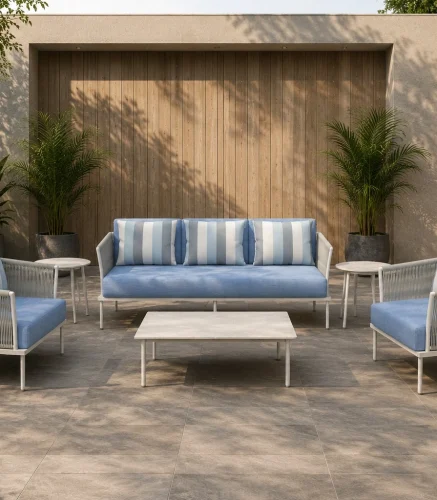
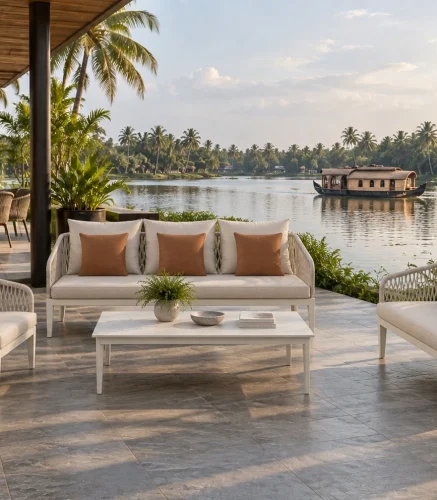
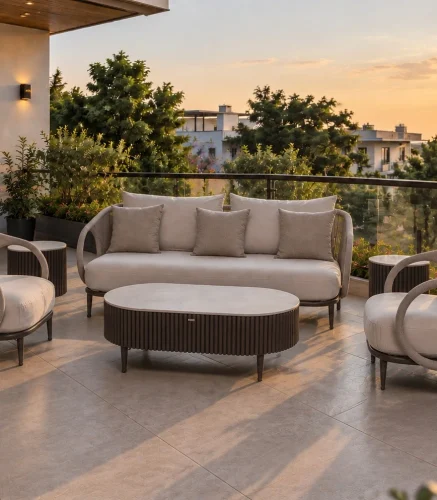
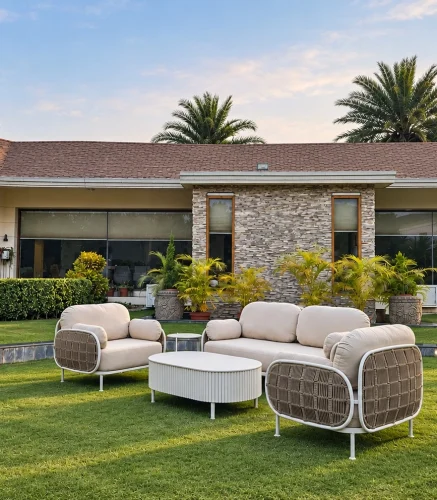
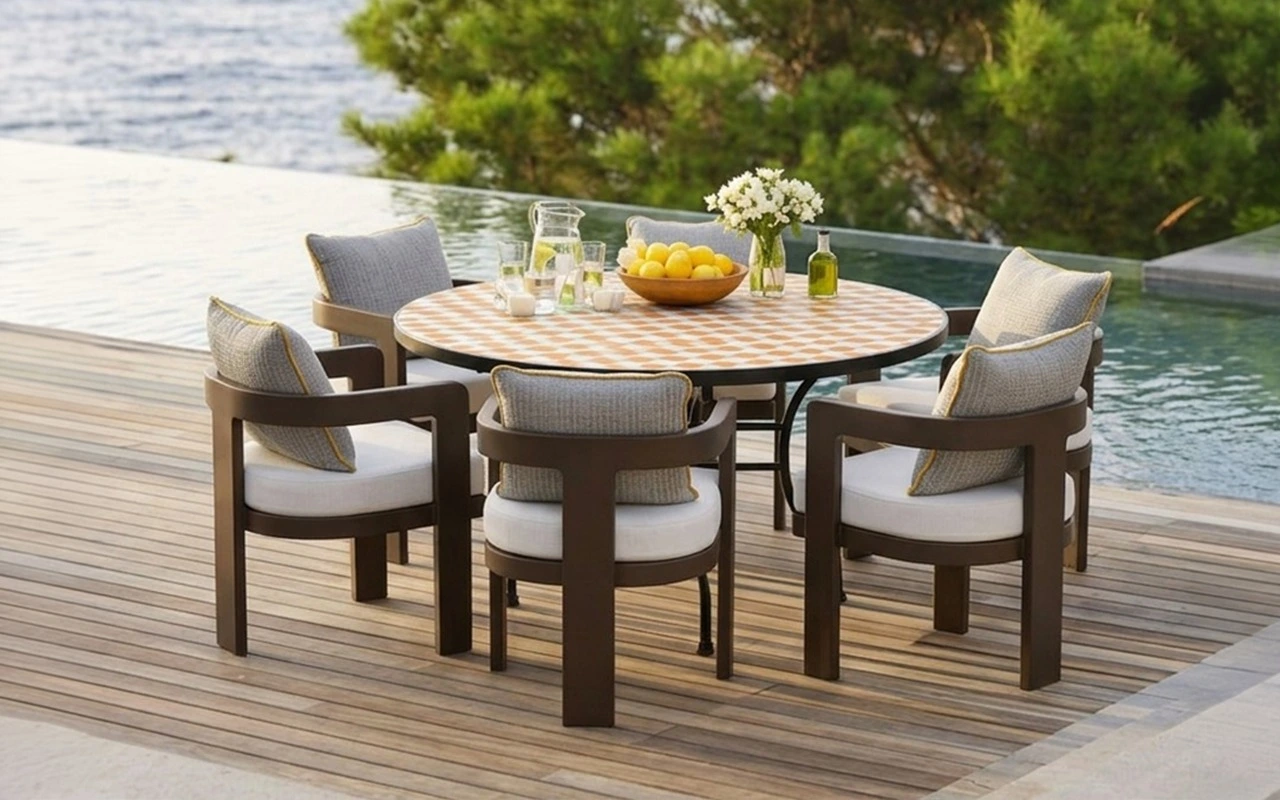
This is where nature-inspired outdoor furniture earns its place. The best biophilic pieces don't announce themselves — they settle into the environment. Think warm teak tones, woven resin textures, curved silhouettes, and matte finishes in stone, sand, and moss.
GEBE builds its outdoor seating around exactly this — clean, warm pieces that belong to the landscape without needing a mood board to look intentional.
Layer in Living Elements Strategically
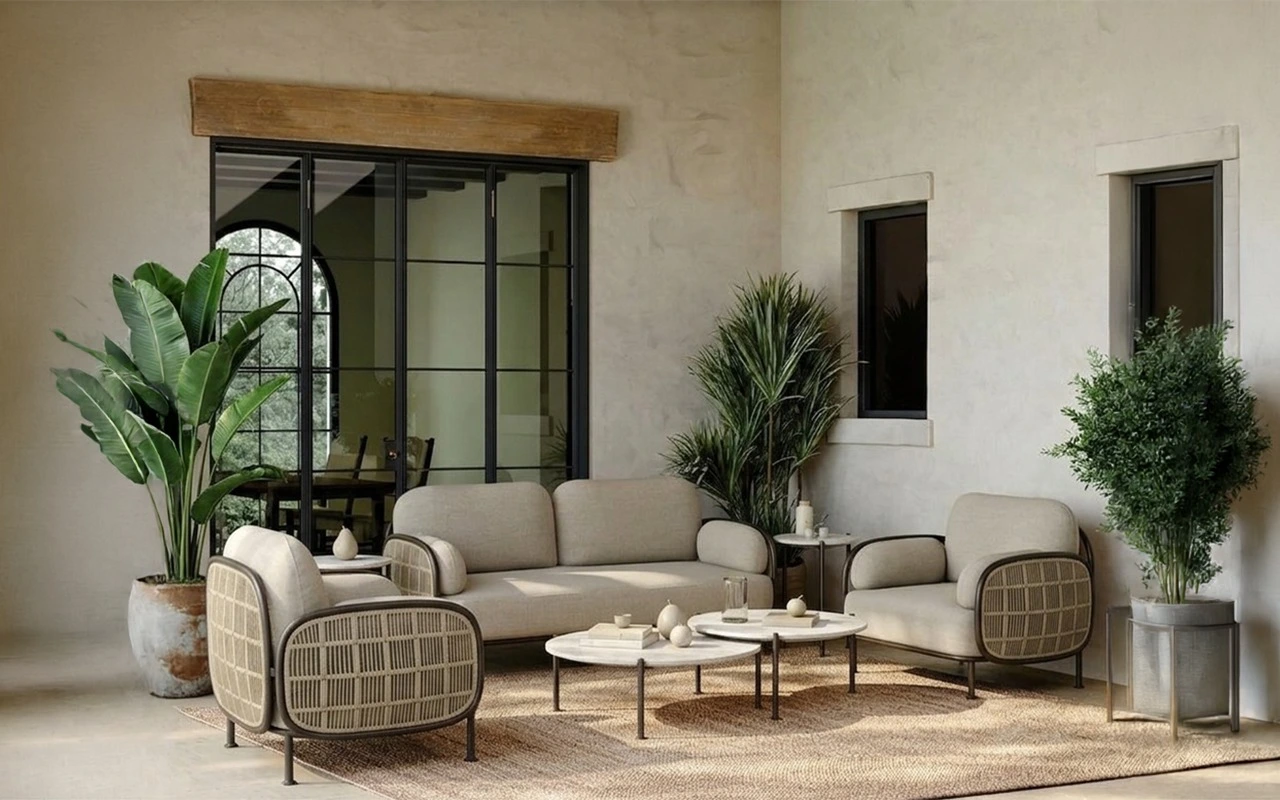
Plants are the obvious move in biophilic design outdoor spaces, but placement matters more than volume. A few large, architectural plants do more than twenty small ones competing for attention.
For outdoor patio setups, anchor your seating zone with one or two large planters at the corners — tall grasses, a fiddle-leaf, a bird of paradise. Then layer smaller plants at different heights — hanging, shelf-level, ground-level — to create that forest depth biophilic design is after.
Water features, even small ones, add another dimension entirely. The sound of moving water works as one of the most effective stress-reduction tools in outdoor design, and a small tabletop or wall-mounted feature costs far less than most people assume.
Organic Decor in Biophilic Outdoor Design: Keep It Natural
Here's where biophilic spaces often go wrong — they get over-curated. Every surface styled, every angle covered, every planter matching. Nature isn't coordinated. It's layered and slightly imperfect, and the best organic outdoor decor reflects that.
Mix materials. Terracotta next to jute next to weathered stone. A hammered copper lantern beside woven outdoor furniture for balcony chairs. Candles in irregular groupings rather than a single centrepiece. The goal is considered, not controlled.
Searching for outdoor furniture near me that fits this aesthetic? Look for pieces with tactile surfaces, warm neutrals, and craftsmanship that reads as handmade — even if it's engineered to perform. That's the balance biophilic design demands.
The Bigger Picture: Spaces That Feel Like Rest
The reason biophilic design outdoor is having such a moment in 2026 isn't mysterious. People are tired of spaces that look impressive but don't feel good. They want somewhere to actually decompress — not just a backdrop for content.
When your garden furniture outdoor setup is grounded in natural materials, shaped by living elements, and designed to dissolve the boundary between inside and out, something shifts. The space stops being a patio and starts being the part of your home you actually reach for at the end of the day.
That's what good outdoor design has always been capable of. Most furniture just hasn't
been built to match it. GEBE is.
Explore the full collection here.