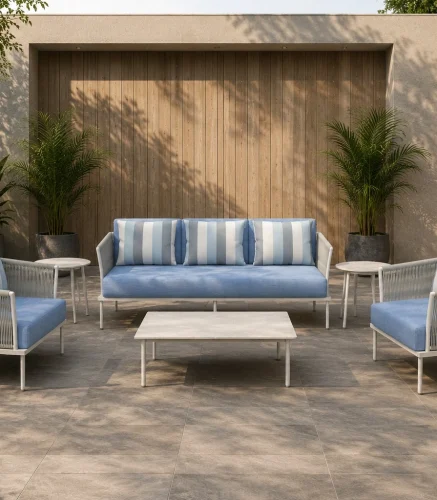
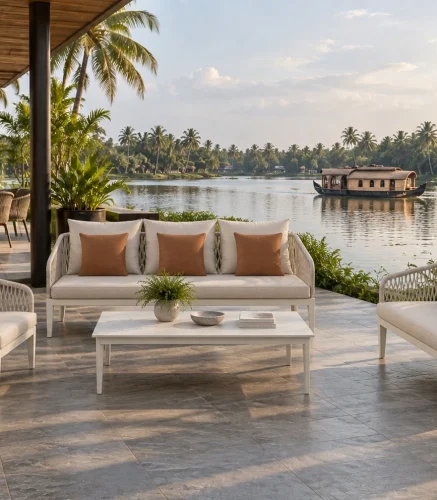
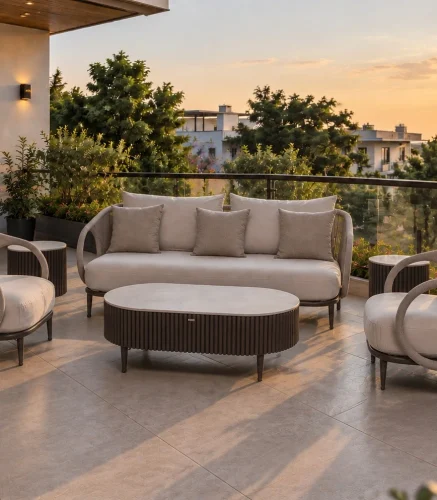
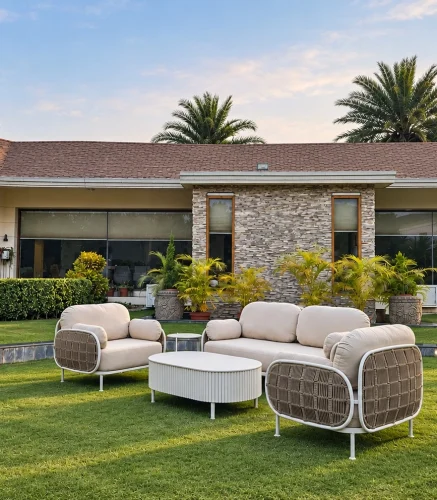
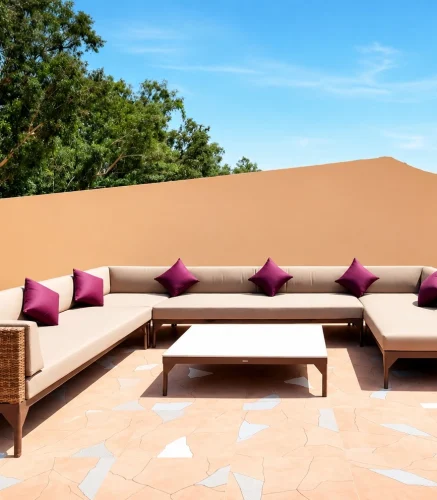
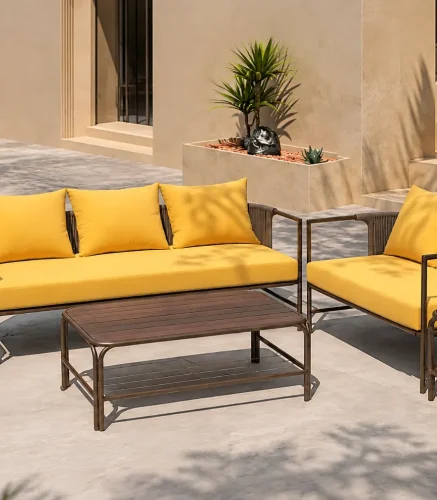
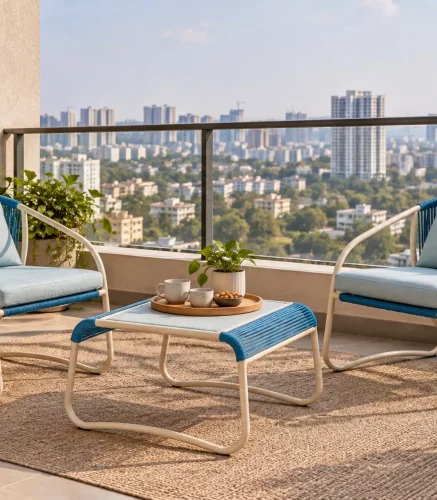
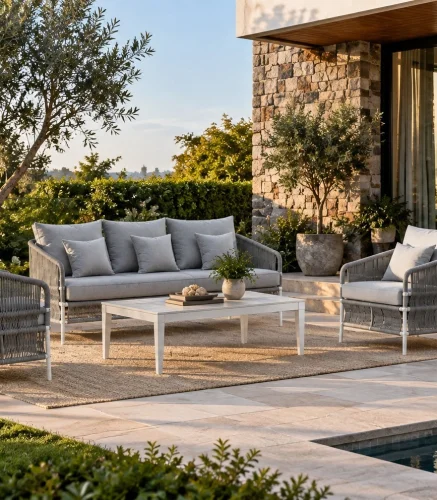
The difference between residential spaces and professionally designed resort pool decks rarely comes down to budget alone. You're scrolling through photos of Bali, Santorini, the Maldives, and you pause. Not because of the pool. Because of the furniture around it. The loungers are arranged with precision. Cushions look plump and crisp even in direct sunlight. And somehow the entire space feels intentional — almost cinematic.
Then, inevitably, you look at your resort pool decks. Your sun loungers are fine. Functional. But they don't have that. And you can't quite put your finger on why.However, hotel designers can. And the gap between a resort pool decks and a residential one almost never comes down to budget alone. It comes down to how they think about the furniture before they buy a single piece.
Here's exactly what they know — and how to apply it.
1. Resort Pool Decks Are Designed Before Furniture Is Chosen
This sounds obvious until you realise most homeowners do the exact opposite.
The typical residential pool furniture journey goes: browse online, see something that looks nice, buy it, arrange it around the pool, and wonder why it doesn't feel cohesive.
Hotel designers start with a spatial brief — dimensions, sightlines, traffic flow, shade patterns at different times of day, the view from inside the house looking out. Luxury pool deck furniture isn't chosen in isolation. It's chosen as part of a composed scene.
Every piece has a role: anchor loungers that define the primary sunning zone, accent chairs that create secondary conversation areas, side tables positioned for reach without clutter. The furniture serves a functional role, yes — but it also acts as architecture.
Before you buy anything, start by drawing your pool deck. Mark where the sun falls at 10am, noon, and 4pm. Next, identify the pathways people naturally use around the pool. Then note the areas where guests tend to gather and linger. Design zones. The furniture should follow the map — not the other way around.
2. They Treat Fabric as Seriously as Frame
Walk a hotel's pool deck and examine the cushions closely. The fabric will almost certainly be a high-performance, solution-dyed material — not printed polyester, not cotton canvas, not the vaguely weather-resistant fill that comes standard with most retail patio sets.
Premium pool deck furniture uses fabrics where the pigment goes all the way through the fibre, not just on the surface. This is why hotel cushions resist UV degradation, chlorine splash, mildew, and repeated wetting and drying without fading or stiffening. A quality outdoor cushion in the right fabric can look fresh for 5 to 7 years in harsh sun exposure.
In contrast, most homeowners buy cushions based on colour and price. Hotel designers specify fabric by technical performance first, then select from what's available in the right aesthetic.
GEBE's pool deck collections use quick-dry foam cushions covered in weather-resistant performance fabrics — engineered to release moisture rapidly after rain or humidity, making them specifically suited to India's monsoon seasons and poolside splash zones. The cushions stay comfortable, dry fast, and hold their colour through years of outdoor use.
3. Why Resort Pool Decks Use Different Materials
This surprises people. Scan any furniture retailer and you'll find "outdoor rated" or "weather resistant" on the majority of patio furniture. Hotel procurement teams don't buy based on those labels. They buy based on frame material specifications.
What Hotel Designers Actually Check
In reality, the frame is the skeleton. Everything else is cosmetic. When the skeleton fails — and cheap alloys, hollow sections, and poorly welded joints do fail, usually within two to three seasons in a pool environment — no amount of new cushions or replacement fabric will save it.
What separates hotel-grade pool deck furniture from retail outdoor furniture is the quality of the aluminium frame. Specifically:
Why Powder-Coated Aluminium Matters
Powder-coated aluminium is the gold standard for pool deck furniture. It is rust-proof by nature, lightweight without being fragile, and — when powder-coated correctly — resistant to UV fading, chlorine exposure, and the kind of daily use a pool deck demands. A well-made powder-coated aluminium frame should hold its finish and structural integrity for a decade or more.
Why Rope Weave Is Used in Luxury Resorts
Rope weave over aluminium adds an additional layer of durability and visual quality. UV-resistant rope woven by hand over a powder-coated aluminium frame creates a surface that handles sun, rain, humidity, and physical stress without unravelling, cracking, or fading. It also adds the warmth and texture that pure metal frames can lack — which is exactly why this combination is the material of choice for luxury hospitality properties worldwide.
Every GEBE pool deck piece is built on this combination: powder-coated aluminium frames with UV-resistant rope weave detailing and quick-dry performance cushions. There’s no wood to rot, no resin prone to warping, and no coating that peels after prolonged exposure. Just materials that hold up.
4. They Think About Sustainability Before It Becomes a Problem
Sustainable pool deck furniture isn't just a hospitality trend — it's a practical design philosophy, and homeowners are increasingly adopting it for good reason.
Hotel designers sourcing sustainable outdoor furniture aren't doing it purely for ethics (though that matters). They're doing it because sustainable-grade materials tend to be more dimensionally stable, more resistant to environmental stress, and better engineered than their conventional equivalents. The discipline required to meet sustainability standards produces better furniture.
For homeowners, the logic is identical. Investing in pool deck furniture built to last a decade means fewer replacements, less waste, and a poolside space that doesn't quietly undermine your values every time you sit in it.
GEBE builds with this philosophy in mind — designing each piece for longevity rather than replacement cycles, using materials that perform across seasons rather than look good at launch and fade quietly thereafter.
5. They Understand Scale — and Most Homeowners Get It Wrong
In fact, this is one of the most common and most fixable mistakes in residential pool design. Homeowners consistently under-scale their outdoor pool lounge chairs and seating.
It comes from how we shop. In a furniture showroom or on a product page, a lounger looks substantial. But placed on an open pool deck — surrounded by paving, water, sky — the same piece can look like it wandered in from a different space.
Hotel designers use generous proportions deliberately. Wide-arm pool loungers. Deep-seat daybeds. Substantial side tables. Not because bigger is always better, but because the outdoor environment demands scale to feel grounded and intentional.
A useful rule: go one size larger than your instinct tells you, and space pieces further apart than feels comfortable in the showroom. Outdoor spaces absorb furniture differently than interior rooms — what looks roomy in a showroom will often look sparse under an open sky.
GEBE's pool lounger and daybed collections are designed with exactly this principle — generous proportions, substantial profiles, and the visual weight to anchor an open pool deck without competing with the water or the sky.
5. Resort Pool Decks Always Use Larger-Scale Furniture
Perhaps the most fundamental difference between how hotel designers and homeowners approach poolside furniture is simply the weight of attention they give it.
In hospitality, the pool deck is a focal point. It has to photograph well, perform under guest volume, and convey a brand experience without a single word. The furniture carries real responsibility.
At home, the pool deck often gets whatever budget and attention is left over after the pool itself is built. The construction eats the capital, and by the time the deck is ready to furnish, people are tired of decisions and just want something functional.
GEBE has furnished pool decks at Radisson Srinagar, Hyatt Centric Dehradun, and Microsoft Hyderabad — spaces where the furniture was specified with the same intent and rigour as any interior in the building. The same collections are available for residential homes, because the standard should be the same.
How to Apply This to Your Own Pool Deck: A Quick Summary
Design the zone before you shop. Map sun paths, traffic flow, and gathering points. Build furniture zones around the map.
Specify materials, not just aesthetics. Powder-coated aluminium frames and UV-resistant rope weave are the right answer for Indian pool environments. Performance fabric cushions that dry quickly complete the picture.
Scale up. Outdoor environments absorb furniture — go larger than feels natural in a showroom, and space pieces further apart.
Prioritise longevity. One well-built pool deck set that lasts 10 years costs far less — financially and environmentally — than three mediocre sets replaced every few seasons.
Treat it like an interior. The pool deck deserves design attention, not leftover budget.
Frequently Asked Questions
What furniture do hotels use by the pool?
Most luxury hotels specify pool deck furniture built on powder-coated aluminium frames with UV-resistant rope weave or performance sling fabric. These materials are chosen for their ability to handle chlorine exposure, intense UV, and high-traffic use without degrading. Quick-dry cushions in weather-resistant performance fabrics complete the specification.
What is the best material for pool deck furniture in India?
Powder-coated aluminium is the best frame material for Indian pool environments. It is rust-proof, handles humidity and chlorine without corroding, and withstands the UV intensity and monsoon conditions that other materials struggle with. UV-resistant rope weave over aluminium adds durability and visual warmth. Avoid materials that can warp, rust, or rot in humid, high-UV conditions.
How do I make my pool deck look like a resort?
Design the space in zones before buying any furniture — define a primary lounging zone, a secondary seating area, and a shade zone. Choose furniture with generous proportions (most homeowners under-scale outdoors), specify performance materials that hold their look under sun and rain, and treat the deck as an extension of your interior, not an afterthought.
What should I look for in outdoor pool lounge chairs?
Look for a rust-proof aluminium frame, UV-stable surface material (rope weave or performance sling fabric), and quick-dry cushions if the design includes them. The frame is the most critical component — a good frame will outlast multiple sets of cushions, while a poor frame will fail regardless of how good the cushions are.
How far apart should pool loungers be spaced?
Most hotel pool decks space loungers 60 to 80 cm apart — further than most homeowners instinctively allow. Outdoor spaces absorb furniture differently than interiors; tighter spacing that looks natural in a showroom will feel crowded on an open deck. When in doubt, space wider and add a side table between each pair of loungers.
The Resort Feeling You're Chasing Isn't a Budget Gap. It's a Knowledge Gap.
The pool deck you're trying to recreate from those resort photos comes down to decisions made before a single piece of furniture was purchased. Zone planning. Material specification. Scale. Attention.
Importantly, none of those decisions cost more than the alternative. They just require a different approach.
Ready to build a pool deck that actually looks like the ones you screenshot on holiday? Explore GEBE's pool deck collections — luxury outdoor pool furniture built to perform in Indian conditions, season after season.