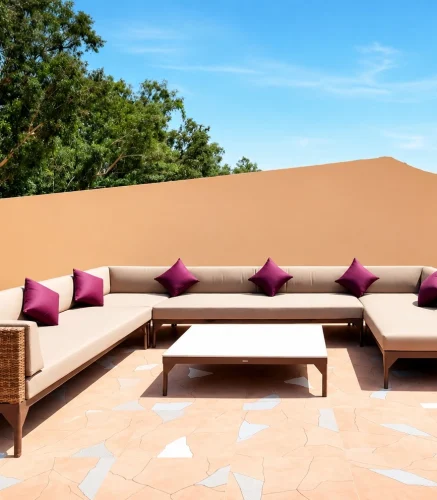
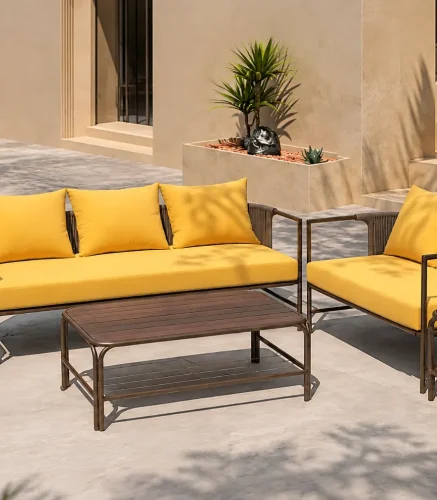
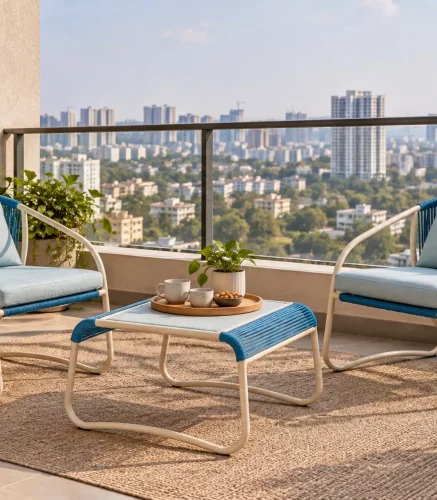
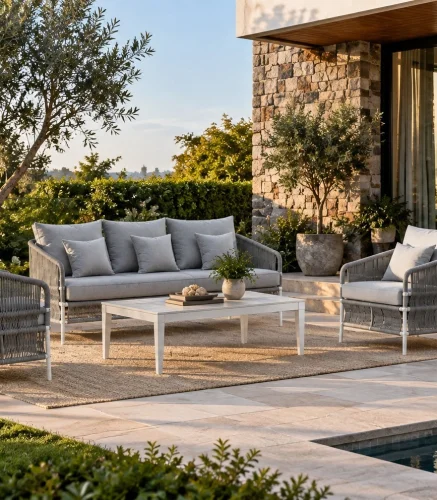
If you manage a hotel or resort, you already know the feeling — and it's exactly the hidden cost of cheap hotel pool furniture that nobody puts in the budget. Every March, operators walk their pool decks before the season opens, noticing sun-bleached loungers, wobbly frames, and faded cushions that somehow aged five years in twelve months. As a result, the procurement cycle starts all over again.
This cycle — buy, degrade, replace, repeat — has become normalised in Indian hospitality. However, the hidden cost of cheap hotel pool furniture is far bigger than most operators realise. Over time, replacement costs across multiple seasons quietly drain profitability without ever appearing clearly on a single line of the P&L.
The Real Hidden Cost of Cheap Hotel Pool Furniture
Most procurement decisions for hotel pool furniture are based on unit price. At first glance, a sun lounger priced at ₹4,500 appears to be a smarter choice than one costing ₹12,000. However, the numbers change dramatically over time.
Low-cost pool loungers usually show visible wear within 18 to 24 months in high-humidity, chlorine-heavy, UV-intense environments. Consequently, faded finishes, cracked frames, and rust stains begin to signal neglect to guests before they even order their first drink.
Now run the maths over a decade. Economy-grade furniture often requires replacement every 2 to 3 years, whereas premium hospitality-grade furniture can last 8 to 12 years with basic care. Therefore, the “cheap” option frequently costs 3 to 4 times more in the long run. In addition, hotels absorb disposal costs, staff time, vendor coordination, and the hidden guest-experience impact of a tired-looking pool deck.
What Guests Actually Notice
Guests can't always name what's wrong — but they absolutely feel it.
When a guest settles into a well-built, sturdy pool lounger with a thick, quick-dry cushion, they feel cared for. When they wrestle with a wobbly frame or sit on a thin pad that's already flattened through, they feel like an afterthought.
The pool deck is one of the most photographed spaces at any resort. It ends up on Instagram, TripAdvisor, Google reviews. Online review platforms are full of comments about "worn" and "cheap-feeling" outdoor spaces at properties that scored well on room quality. The furniture tells a story — the only question is which one it's telling.
The Right Materials Reduce the Hidden Cost of Cheap Hotel Furniture
The frame is the skeleton. Everything else is cosmetic. When the frame fails — and it will, if the specification is wrong — no amount of new cushions saves it.
For Indian pool environments — monsoon humidity, intense UV, chlorine exposure — the right specification is straightforward:
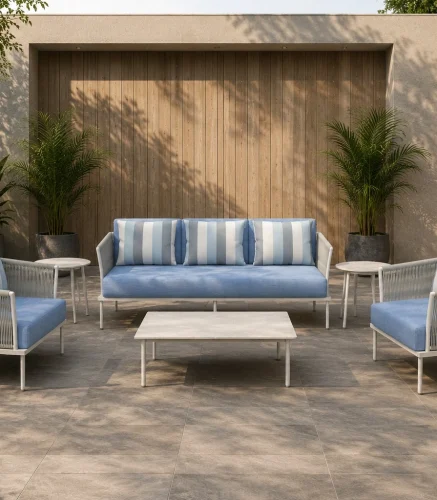
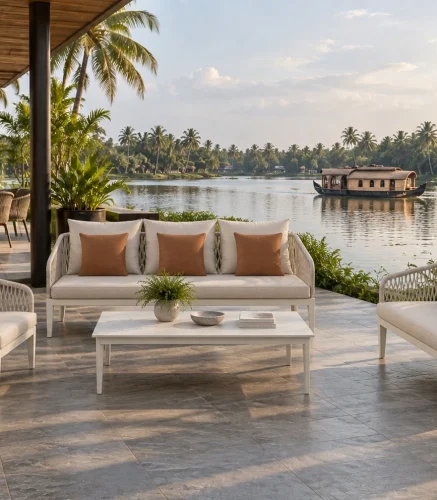
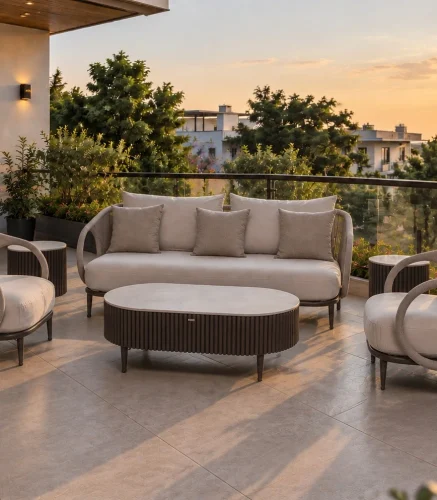
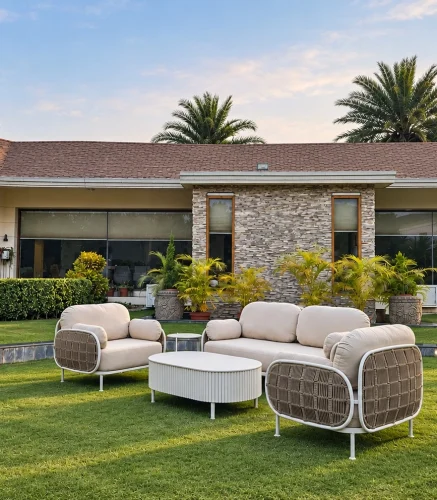
Powder-coated aluminium frames are the hospitality standard for good reason. Rust-proof, lightweight, and structurally reliable across years of high-traffic use. A properly powder-coated aluminium frame holds its finish and form through seasons that destroy lesser materials.
UV-resistant rope weave over aluminium adds durability and visual warmth that bare metal frames lack. Handwoven UV-stable rope handles sun, rain, and poolside humidity without unravelling, cracking, or fading — and delivers the premium aesthetic that photographs well and holds up to scrutiny up close.
Quick-dry performance fabric cushions are non-negotiable in a pool environment. Cushions that trap moisture become mildewed and flat within a season. Quick-dry foam with weather-resistant fabric covering releases moisture rapidly, stays comfortable, and holds colour through repeated exposure to sun and water.
These are the exact specifications GEBE builds to — the same materials that have furnished Radisson Srinagar, Hyatt Centric Dehradun, Rzeeka Resort, Snow Valley Heights Shimla, and Snowvelly Resort. Properties where the pool deck is a revenue-generating asset, not an afterthought.
How Smart Hospitality Buyers Break the Cycle
The properties getting this right share a few practices:
They buy for lifecycle cost, not unit price. Total cost of ownership — factoring in replacement frequency, maintenance, and disposal — almost always favours investment-grade pool furniture over budget alternatives.
They standardise. One manufacturer, one finish family, one fabric palette. This means replacements match when genuinely needed, the pool deck has visual coherence, and procurement is planned rather than reactive.
They invest in basic maintenance. Even the most durable hospitality pool furniture benefits from seasonal care — furniture covers between seasons, periodic frame inspection, cushion cleaning. Basic protocols that add years to any investment.
The Bottom Line
The replacement cycle problem in hospitality pool furniture isn't a procurement issue. It's a strategy issue. Properties that keep buying cheap keep paying more — in direct costs, in guest experience, and in the slow erosion of brand credibility that a tired pool deck creates.
Breaking the cycle doesn't require a complete rethink of your Capex philosophy. It requires one clear decision: to evaluate poolside furniture the way you'd evaluate any asset that faces the elements, carries your brand, and gets photographed thousands of times a season.
Buy once. Buy right. Stop replacing.
Frequently Asked Questions
What is the best material for hotel pool deck furniture in India?
Powder-coated aluminium frames with UV-resistant rope weave and quick-dry performance fabric cushions are the right specification for Indian pool environments. These materials handle monsoon humidity, intense UV, and chlorine exposure without degrading — and are the standard used by luxury hospitality properties across India.
How long should commercial pool loungers last?
Premium, hospitality-grade pool loungers built on powder-coated aluminium frames should last 8 to 12 years with basic seasonal care. Economy-grade alternatives typically require replacement every 2 to 3 years — costing significantly more over a decade.
How do I choose outdoor pool furniture for a hotel or resort?
Specify materials first — frame construction, surface material, and cushion specification — before considering aesthetics or unit price. Calculate total cost of ownership over 10 years rather than upfront unit cost. Standardise across your pool deck for visual coherence and easier procurement.