Why Vitamin D Deficiency Is Increasing: The Hidden Impact of Indoor Living
Vitamin D deficiency is no longer rare — it's becoming a lifestyle disease, and understanding why vitamin D deficiency is increasing has never been more urgent. In fact, across cities and even sun-rich countries, cases of deficiency are rising sharply. The irony? Despite living under abundant sunshine, we spend most of our lives indoors.
- You’re Not Lazy
- You’re Not Old
- You’re Probably Vitamin D Deficient
Consequently, long office hours, screen-centric routines, air-conditioned homes, and reduced outdoor living have quietly disconnected us from the most natural source of health: sunlight vitamin D.
What Is Vitamin D?
Vitamin D is a fat-soluble vitamin essential for calcium absorption, bone strength, muscle function, immune balance, and overall vitality. Moreover, unlike most nutrients, vitamin D acts like a hormone — and your body produces it naturally when your skin is exposed to sunlight.
Vitamin D Deficiency: Why Cases Are Rising
The rise in vitamin D deficiency is driven less by diet — and more by lifestyle. This is precisely why vitamin D deficiency is increasing across even the sunniest countries in the world.
Major Reasons
- Indoor living and work-from-home culture
- Minimal sun exposure despite bright climates
- Urban apartments with limited balconies or terraces
- Overuse of sunscreen and full-coverage clothing
- Reduced outdoor movement for children and adults
In short: we live indoors — yet our biology was designed for the outdoors.
Moreover, these factors are consistently highlighted by leading health authorities including the Office of Dietary Supplements (NIH) and Mayo Clinic.both of which identify lack of sunlight exposure and indoor lifestyles as primary contributors to rising vitamin D deficiency worldwide.
How Vitamin D Deficiency Affects Different Age Groups
Vitamin D deficiency impacts people differently at every stage of life. Nevertheless, studies show it remains widespread across all age groups.— especially in countries like India, where 40–90% of the population is deficient despite abundant sunlight (Indian Journal of Medical Research, Government of India).
Children
Low vitamin D can lead to:
- Soft or weak bones (rickets)
- Slower growth
- Lower immunity
Consequently, studies in India report up to 90% deficiency in children, driven by reduced outdoor play and limited sun exposure.
Teens & Young Adults
During peak bone-building years, deficiency may cause:
- Lower bone strength
- Muscle fatigue
- Reduced stamina
As a result, urban studies show 70–85% deficiency in adolescents and young adults, largely due to indoor study routines and screen-heavy lifestyles.
Adults
In working adults, vitamin D deficiency commonly presents as:
- Persistent tiredness
- Muscle and joint discomfort
- Early bone density loss
Furthermore, globally 30–50% of adults are estimated to be deficient (WHO-cited reviews).
Older Adults
With age, natural vitamin D production drops, increasing:
- Fracture risk
- Poor balance and falls
- Loss of mobility
Therefore, vitamin D is emphasized in elderly bone-health guidelines worldwide.
Pregnant Women
Low vitamin D levels may affect:
- Maternal bone health
- Fatal skeletal development
Similarly, Indian studies report 40–70% deficiency in pregnant women, flagged as a public-health concern.
The Big Picture
Less time outdoors means less sunlight exposure — consequently turning vitamin D deficiency into a lifestyle issue, not just a nutritional one. In other words, more outdoor time equals stronger bones, better immunity, and healthier lives at every age.
Why Sitting Near a Window Doesn’t Give You Vitamin D
Many people believe sunlight through a window helps the body produce vitamin D. In reality, vitamin D synthesis requires UVB rays, and UVB rays cannot pass through glass. While indoor sunlight may feel warm, it therefore does not trigger vitamin D production in the skin. To make vitamin D naturally, however, direct sun exposure on bare skin is essential.
Best Time for Vitamin D Sun Exposure in India
In India, the ideal time for vitamin D absorption is between 10:00 AM and 2:00 PM, when UVB intensity is highest. Specifically, exposing bare arms, legs, or face to direct sunlight for 15–20 minutes, several times a week, is generally sufficient, depending on skin tone and location.
Ways to Improve Natural Vitamin D Absorption
- Go outdoors, not behind glass – balconies, terraces, rooftops, gardens
- Expose more skin safely – short sleeves or rolled-up sleeves help
- Limit sunscreen during brief exposure – sunscreen blocks UVB rays
- Avoid early morning or late evening sun – UVB levels are too low
- Be consistent – short, regular exposure works best
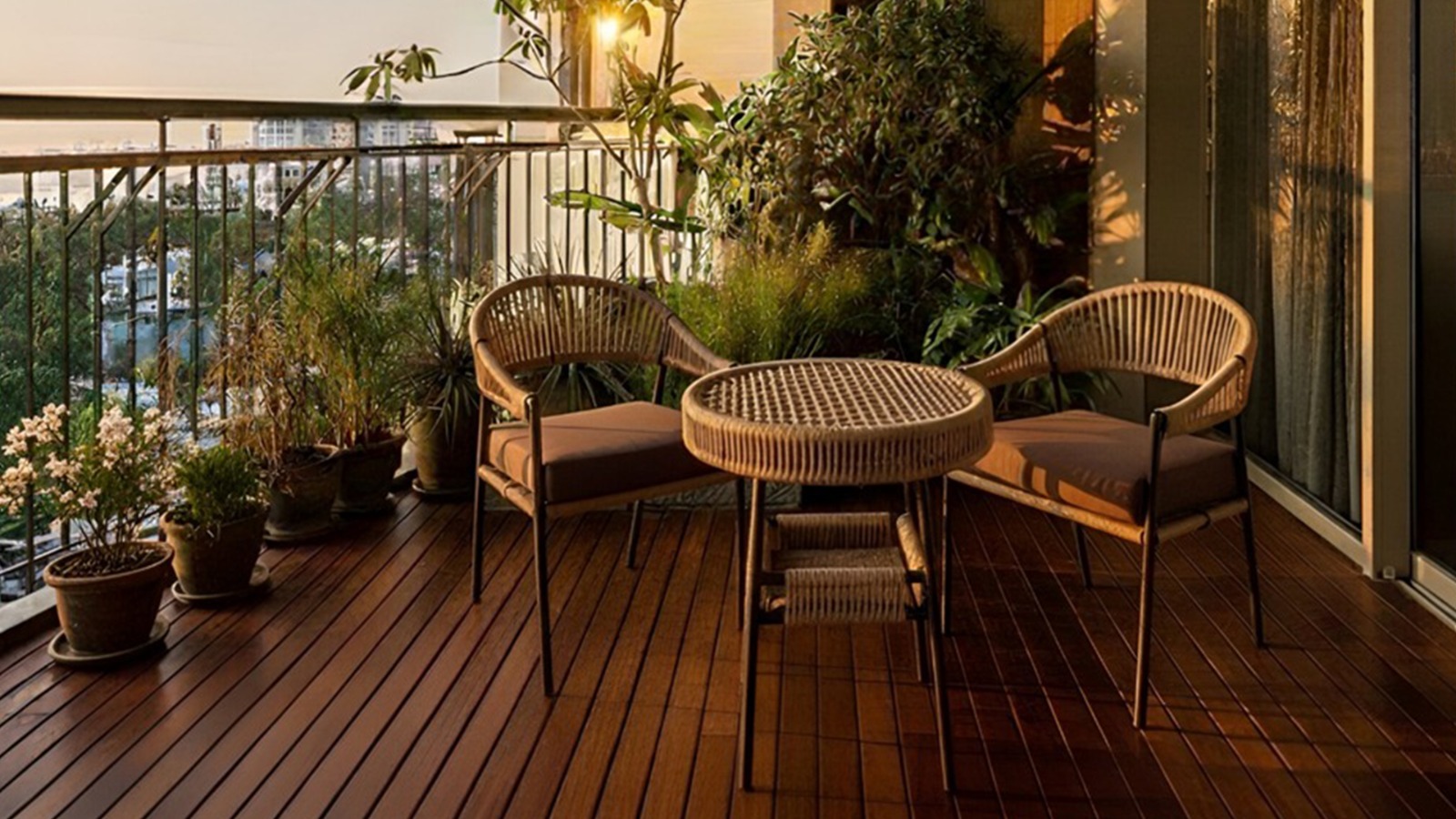
Indoor Living vs Outdoor Living: The Health Divide
Indeed, modern indoor living has unintentionally become one of the biggest contributors to vitamin D deficiency.
Indoor Living Leads To
- Reduced sunlight vitamin exposure
- Sedentary routines
- Higher reliance on vitamin d tablets and supplements
Outdoor Living Restores
- Natural vitamin D synthesis
- Better calcium absorption
- Improved mood and immunity
- Healthier daily rhythms
As a result, outdoor terraces, balconies, gardens, and poolside spaces are no longer luxuries — they are health infrastructure.
Vitamin D Benefits (Why It Matters So Much)
Modern life often makes supplements necessary — but they shouldn't replace a sun-connected lifestyle. In fact, supplements work best alongside regular sunlight — not instead of it.
Proven vitamin d benefits include:
- Strong bones and teeth
- Better muscle strength and balance
- Reduced fracture risk
- Support for immune health
- Improved mood regulation
As a result, deficiency prevention matters far more than reactive treatment.
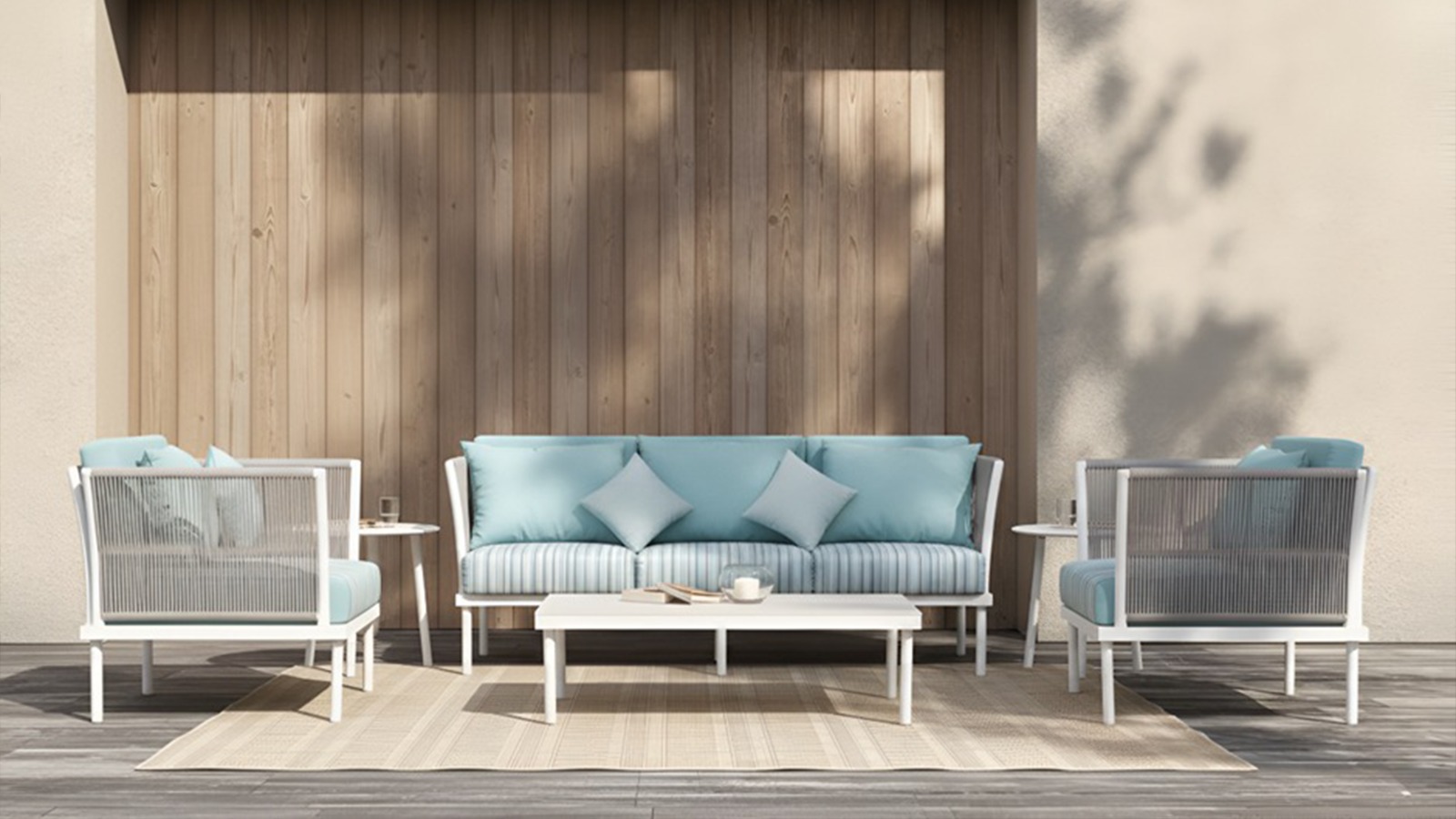
The Outdoor Living Solution: Health Beyond Furniture
Above all, outdoor living isn't just about aesthetics — it's about biological alignment.
Spaces that invite you to:
- Sit under natural light
- Start mornings outdoors
- Spend evenings in fresh air
- Encourage children to play outside
help your body naturally maintain vitamin D levels—without constant dependence on tablets.

Final Takeaway
- Ultimately, vitamin D deficiency is rising — not because the sun disappeared, but because we did.
- Supplements help, but sunlight vitamin D remains irreplaceable.
- Therefore, designing life around outdoor moments is one of the most natural health decisions you can make.
In other words, a home that invites you outdoors doesn't just look beautiful — it quietly protects your health.